
If you’ve ever wondered how long interior paint lasts on your walls, you’re not alone. While a fresh coat of paint can dramatically transform a space, its vibrancy and protective qualities don’t last forever. Understanding the lifespan of interior paint and recognizing the signs that it’s time for a refresh can help you maintain your home’s beauty and value.
Factors Influencing Interior Paint Lifespan
The longevity of your interior paint isn’t just about the number of years since it was applied. Several key factors play a significant role:
- Paint Quality: This is perhaps the most crucial factor. High-quality paints typically contain better binders, pigments, and additives that resist fading, cracking, and staining, offering superior durability. While more expensive upfront, premium paints can significantly extend the time before a repaint is needed.
- Surface Preparation: A poor prep job can drastically shorten paint life. If walls aren’t properly cleaned, patched, primed, and sanded before painting, the paint won’t adhere well and can chip, peel, or blister prematurely.
- Room Usage and Traffic: High-traffic areas like hallways, entryways, kitchens, and bathrooms experience more wear and tear. Walls in these rooms are prone to scuffs, dings, and moisture, leading to faster deterioration of the paint finish compared to a low-traffic guest bedroom or formal dining room.
- Environmental Factors: While interior paint isn’t exposed to outdoor elements, sunlight (especially in rooms with large, sunny windows) can cause colors to fade over time. High humidity in bathrooms and kitchens can also contribute to paint breakdown if not properly ventilated.
- Application Technique: Professional, even coats of paint applied correctly contribute to longevity. Improper techniques can lead to thin spots, uneven coverage, and a less durable finish.
Clear Signs It’s Time to Repaint Your Interior Walls
Even if you don’t know the exact last paint date, your walls will give you clear signals when it’s time for a refresh. Look out for these common indicators:
- Fading or Discoloration: Colors that once popped now look dull or washed out, especially in sun-exposed areas. Whites might turn yellow, and vibrant hues can lose their intensity.
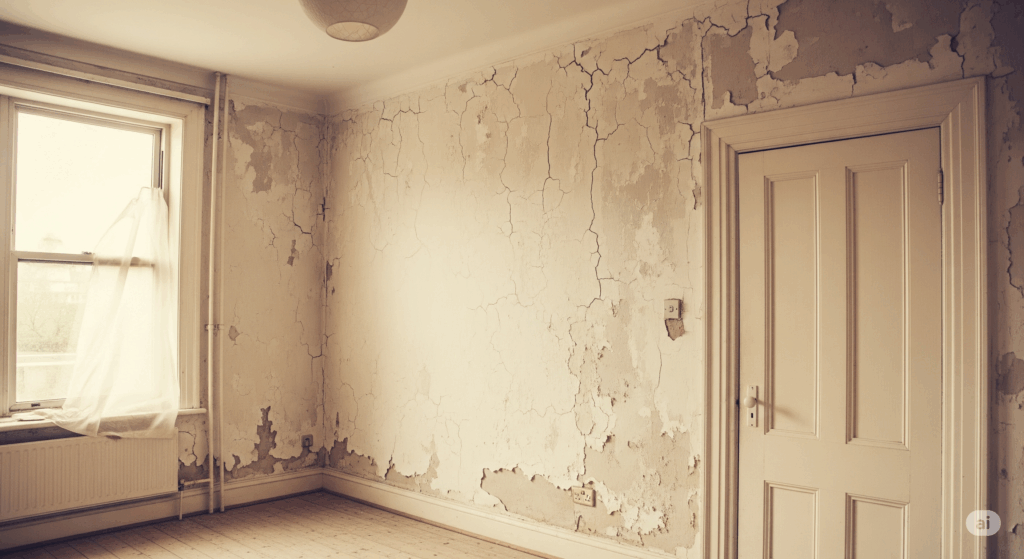
- Cracking, Peeling, or Bubbling: These are obvious signs of paint failure, often due to poor adhesion, moisture issues, or the paint simply reaching the end of its life. This not only looks bad but can also indicate underlying wall problems.
- Visible Scuffs, Chips, and Stains: Everyday life leaves its mark. If your walls are covered in stubborn scuff marks, chips from furniture, or stains that won’t wipe clean, a fresh coat is the easiest solution.
- Outdated Color or Style: Sometimes, the paint itself is fine, but your tastes have changed, or the color scheme simply feels dated. Repainting is a cost-effective way to update your home’s aesthetic and reflect your current style.
- Grime Buildup: In kitchens, living areas, or near vents, walls can accumulate a greasy or dusty film that’s hard to clean, making the room feel dingy.
The Benefits of Repainting Your Interior
Refreshing your interior paint offers far more than just a new color. It’s an investment in your home’s comfort, value, and health:
- Enhanced Aesthetics: A fresh coat instantly revitalizes your space, making rooms feel cleaner, brighter, and more inviting.
- Increased Home Value: Especially if you’re planning to sell, freshly painted interiors make a strong positive impression on potential buyers.
- Improved Air Quality: Modern low-VOC (Volatile Organic Compound) paints release fewer harmful chemicals, contributing to healthier indoor air. Repainting can seal in old odors and provide a fresh start.
- Wall Protection: Paint acts as a protective barrier, shielding walls from daily wear and tear, moisture, and dust, and making them easier to clean.
- Mood Boost: Colors have a psychological impact. A thoughtful color change can uplift your spirits, create a calming sanctuary, or energize a space.
DIY vs. Professional: Making the Right Choice
Once you’ve decided it’s time to repaint, you’ll face the choice: tackle it yourself or hire a professional. While DIY painting can be rewarding for small, simple projects, it’s time-consuming and requires skill for truly flawless results. For larger areas, intricate details, or achieving a durable, professional finish that stands the test of time, bringing in experts is often the best investment.
If you’re ready to refresh your interior but prefer quality without the hassle, finding painters for hire near me can ensure your project is completed efficiently and to the highest standards.
Conclusion
Knowing how long interior paint lasts and recognizing the signs for a refresh is key to maintaining a beautiful and healthy home. By understanding the factors that influence paint longevity and being proactive when it’s time for a change, you can ensure your living spaces always look their best. Whether you choose to DIY or opt for professional help, a fresh coat of paint is an effective way to rejuvenate your home.
Hire Painters in New York Now
Check Out Our Prices And Get Started Today!